













What does 99designs do well?
99designs does one thing very well: it puts a lot of design concepts in front of you quickly. Its How it works page centers on the contest: you post a brief to its designer community, designers submit concepts and you pick a favorite. It also offers 1-to-1 projects, where you work directly with one designer you choose, and it says its quality team ranks designers as Entry, Mid or Top Level.
Both models are clear about rights: 99designs says copyright and ownership are yours, and you release payment on completion. For a founder who wants options fast, that structure is easy to understand and low effort to start. If you're still deciding whether you need a designer at all, our comparison of 99designs and an agency covers the trade-off in more depth.
Why do startups look for 99designs alternatives?
Startups usually look for 99designs alternatives when the job grows past a logo. A contest rewards concepts that look good as thumbnails, because that's how the client picks a winner. It doesn't reward the slower work underneath: who the product is for, what it replaces, and how the brand should sound and behave across a website and a product.
- The brief does all the strategic work. Designers respond to what you write, so if your positioning is fuzzy, every concept inherits that.
- You get a mark, not a system. A brand also needs type, color, layout rules and examples of the mark in use on real pages.
- Concepts compete, so nobody owns the whole picture. Many designers each see the brief once, and only one stays.
- The website is a separate purchase. Design files still have to be turned into a fast, working site by someone else.
None of this makes 99designs a bad choice. It makes it a tool for a specific job, and many startups hit its edges right as they raise money and need a brand that holds up on a real site. Our guide on logo design for startups explains what a good startup mark has to do.
What are the main alternatives to 99designs?
There are five realistic alternatives to 99designs, and they differ in how much strategy you get and who owns the result end to end. Pick based on whether you need a mark, an identity or an identity plus a website.
Option | Best for | Who does the strategy | What you still need |
|---|---|---|---|
99designs contest | Many logo concepts, fast | You, through the brief | Brand system, website |
99designs 1-to-1 or direct freelancer | One designer you choose | Shared, if the designer offers it | Usually copy and the website |
AI logo tool | A placeholder before launch | Nobody | Almost everything |
Design subscription | A steady queue of design tasks | Usually you | Positioning and often the build |
Small studio (Designify) | A brand that has to work on a site | The studio, with you | Nothing, if you add a website |
If an AI tool is on your list, read AI logo generator vs designer first. For a wider view of the market, how much branding costs sets out what each route typically includes.
How much do 99designs alternatives cost?
Prices vary a lot by route, and the honest answer is a range. In our research, freelancers on Dribbble and Contra list brand sprints from about $249 to $2,300, and agency brand identity projects are commonly quoted from about $5,000 to $50,000. These are typical ranges we see quoted, and they shift with scope, seniority and region.
- Freelance brand sprints listed on Dribbble and Contra
- $249–$2,300
- Typical agency brand identity quotes we see
- $5k–$50k
- Designify brand and design sprint, fixed
- $3,000
99designs publishes its own contest packages on its pricing page, and those change, so check the current page rather than relying on a number in a blog post. The bigger cost difference is usually hidden: with a contest or a cheaper freelancer, you write the positioning, and you pay someone else to build the website later.
What does the Designify brand sprint include for $3,000?
Our brand and design sprint is $3,000, fixed: a brand refresh or redesign plus 10 website or product explorations, delivered as Figma files. It's design only, with a fixed scope agreed before we start, so you know the price and the output up front. We start with the words, because a mark that doesn't fit the positioning is just decoration.
Intro call
A free 30-minute call. You explain the product, the audience and what's wrong with the current brand, and we confirm the scope and the fixed price.
Positioning and words
We work out who the brand is for, what it replaces and how it should sound, so the visual work has something to say.
Identity
A refreshed or redesigned mark, type and color, built as a system rather than a single logo file.
Explorations
Ten website or product explorations that show the brand applied to real screens, so you see it working before anything is built.
Handoff
Organized Figma files, ready for your team or for us to build from.
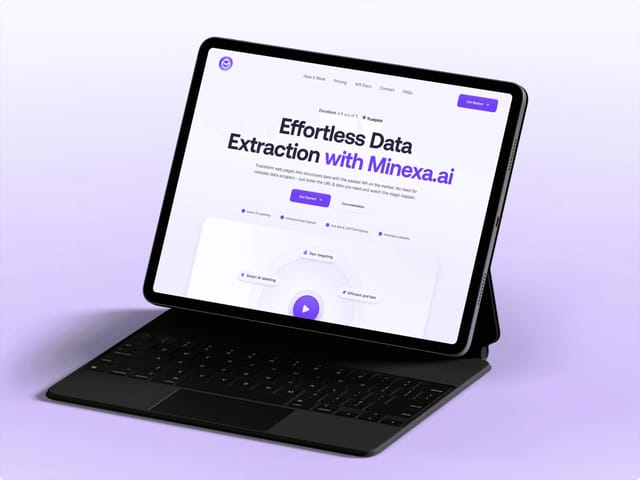
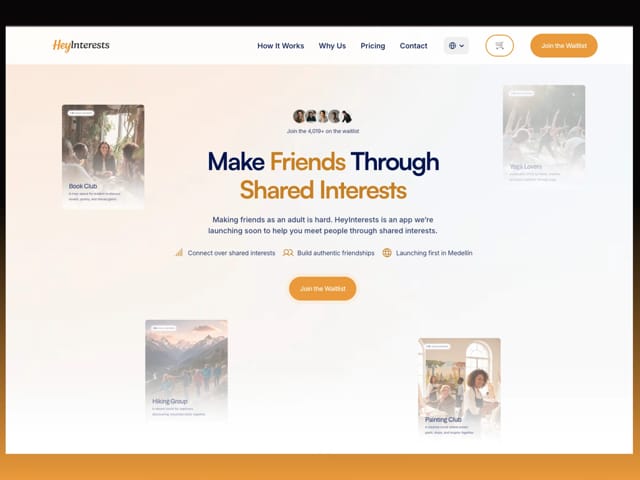
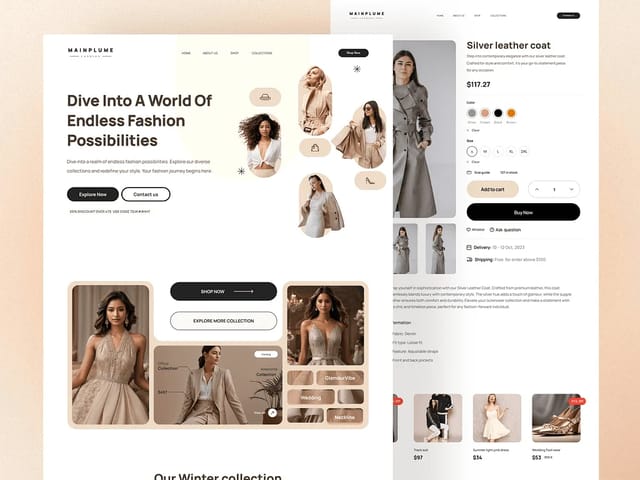
Our work includes projects for Minexa.ai, HeyInterests and Mainplume. When the sprint is done, the same team can build the site: the startup website package is $8,000 for up to 6 pages, so there's no handoff gap between brand and code. See our brand identity service for the full scope.
Who should stay with 99designs?
Stay with 99designs if you need a logo for a side project, a local business or an early experiment, and you can write a sharp brief yourself. It's also a good fit when you mostly want to see a wide spread of styles before committing to a direction.
Pros
- Many concepts from different designers in one round
- Clear copyright and ownership terms
- 1-to-1 projects let you pick a designer by portfolio
- Low effort to start
Cons
- You supply the positioning through the brief
- Contest work is judged as thumbnails, not as a system
- Brand guidelines and website are extra work
- Less continuity once the project closes
A hypothetical way to sequence it
For example, suppose a pre-seed founder needs a mark for a waitlist page next month. A contest or an affordable freelancer is a sensible spend. After the seed round, when the company needs a site that converts and a deck that looks credible, the same founder runs a fixed-price brand sprint, keeps whatever still fits, and builds the website on top of it.
Which 99designs alternative should you choose?
Choose by the job, not by the platform. If you need a mark and already know what the company stands for, a contest or a direct freelancer is efficient. If you need the brand to explain a product and carry a website, you need someone who does the thinking with you.